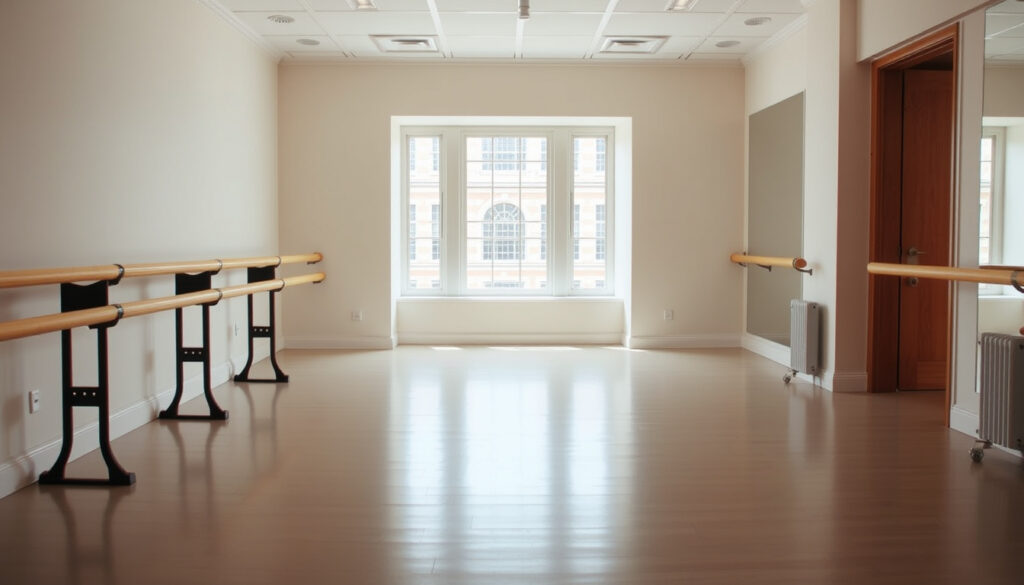
Barre Classes Near Me: Dublin Guide & Comparison
Barre has carved out a loyal following in Dublin with its ballet-inspired moves and promises of long, lean muscles. Whether you’re a complete beginner or a Pilates veteran looking for something new, the city offers more options than ever—and the choice can feel overwhelming. This guide breaks down what to expect, how often to go, and which Dublin studios deserve your attention.
Calories burned per barre class: 200–400 ·
Average class duration: 45–60 minutes ·
Typical monthly cost in Dublin: €80–€150 ·
Weekly frequency recommended for results: 3–4 times
Quick snapshot
- Barre improves flexibility and muscular endurance (Barre Social Club, Dublin’s first boutique barre studio)
- Barre can burn 200–400 calories per hour (Healthline, peer-reviewed health publication)
- 3–4 classes per week are safe for most people (Barre Social Club)
- Whether barre alone leads to significant weight loss without dietary changes (Healthline)
- Long-term injury risk compared to other low-impact workouts (Barre Social Club)
- 1959: Lotte Berk develops the original barre method in London (Wikipedia, general reference)
- Barre-Pilates fusion classes are gaining traction at Dublin studios like OSLO Health (Mindbody, global fitness booking platform)
| Average class length | 45–60 minutes |
| Calories burned per class | 200–400 |
| Number of barre studios in Dublin | 10+ |
| Typical monthly cost in Dublin | €80–€150 |
| Recommended weekly frequency | 3–4 times |
| First noticeable results (flexibility/tone) | 4–6 weeks |
What is a barre class workout?
Typical barre class structure
A barre class draws from ballet, Pilates, and yoga, focusing on small, isometric movements. Most sessions begin with a warm-up at the barre, move to floor work for glutes and core, and finish with stretching. Barre Social Club (Dublin’s first exclusive barre studio) describes it as “low‑impact” and designed to “build strength, tone muscles, and work up a sweat.”
Equipment used in barre
You won’t need much. Classes use bodyweight plus small props—exercise balls, resistance bands, and sometimes light dumbbells. The Bar Method (international studio network) notes that the barre itself becomes a prop for balance and leverage. The result: high‑repetition work that fatigues muscles without heavy loads.
The implication: this combination targets small muscle groups for fatigue without bulk.
Are barre classes good for losing weight?
Calorie burn comparison: barre vs. other workouts
According to Healthline (fitness resource), a 60‑minute barre class burns 200–400 calories—less than running or spinning, but comparable with moderate yoga or Pilates. A study cited by ACE Fitness (exercise science organization) found heart rates in barre classes reach about 70% of maximum, placing it in the moderate‑intensity zone.
Barre and muscle toning for metabolism
Barre builds lean muscle, which elevates resting metabolism. But weight loss ultimately depends on your overall energy balance. Barre Social Club markets the workout for toning, not as a weight‑loss quick fix. The trade-off: you’ll see better muscle definition and posture improvement within 4–6 weeks, but without dietary changes the scale may not budge.
Barre alone is unlikely to drive significant weight loss unless combined with a calorie deficit. For Dubliners focused on fat loss, pair barre with 2–3 weekly cardio sessions.
Is barre harder than Pilates?
Intensity and strength demands
Barre often incorporates short cardio bursts that raise heart rate more than traditional Pilates. Healthline (health and fitness publisher) notes that barre’s “dynamic, repetitive movements” can feel tougher on the quads and glutes. Pilates, by contrast, emphasizes controlled core engagement and slower transitions.
Which one is better for beginners?
Both are beginner‑friendly. Barre3 Dublin (mindfulness‑oriented barre franchise) states its workouts are “for all levels.” Pilates tends to be gentler on joints because there is less standing work, while barre’s barre work can stress wrists and ankles if form slips. The perceived difficulty varies by individual, but most newcomers adapt within 2–3 sessions.
If you want a higher heart rate and faster muscular fatigue, barre wins. If core control and spinal alignment are your priority, Pilates is the better bet.
How often should you do barre to see results?
Recommended weekly frequency for visible changes
Most studio instructors recommend 3–4 barre classes per week for noticeable improvements in strength and flexibility. Pure Barre Columbus | Dublin (US‑based chain studio) suggests this frequency for “consistent progress” in muscle tone. Results often appear within 4–6 weeks, especially in posture and lower‑body strength.
Combining barre with other workouts
Barre complements running, cycling, or weight training without overloading the same muscle groups. Barre Social Club advises 2–3 barre days plus 1–2 days of cardio or strength training. Rest days are essential: the repetitive nature of barre can strain the hip flexors and shoulders if done seven days a week.
What are the disadvantages of barre?
Potential for overuse injuries
Repetitive small movements can strain the hip flexors, wrists, and lower back if form isn’t monitored. ACE Fitness (exercise science organization) warns that improper alignment during plié and lunge sequences may overload the patellar tendon. Beginners should emphasize quality over quantity and listen to their bodies.
Limitations in cardiovascular and weight‑loss outcomes
Barre alone may not provide enough cardiovascular stimulus for those with high fitness levels. The calorie burn is moderate, and weight loss plateaus without dietary adjustment. Barre Social Club acknowledges that barre is a toning method, not a primary cardio workout. The cost can also be a barrier: Dublin studio memberships run €80–€150 monthly (Mindbody, fitness class search platform), and pay‑as‑you‑go drop‑in classes often exceed €20.
Where can I find barre classes near me for beginners?
Top beginner‑friendly barre studios in Dublin
Several Dublin studios welcome newcomers with introductory packages. Barre Social Club caps class sizes at 9 participants, offering personalized attention for first‑timers. Barre by Emma (Dublin‑based instructor) provides live‑streamed and in‑person options. OSLO Health (Dublin fitness studio) runs mixed‑level barre and Pilates fusion sessions that suit beginners. For a structured list, Mindbody (fitness booking platform) lists over 10 barre studios across County Dublin.
Tips for your first barre class
- Wear form‑fitting clothes so the instructor can see your alignment.
- Arrive 10 minutes early to set up your mat and props.
- Tell the teacher you’re new—they’ll offer modifications.
- Focus on small, controlled movements; don’t chase the burn at the expense of form.
Barre vs Pilates: Head‑to‑Head Comparison
Six aspects, one pattern: barre pushes your heart rate higher and focuses on isolated muscle fatigue, while Pilates prioritizes core control and spinal alignment.
| Aspect | Barre | Pilates |
|---|---|---|
| Primary focus | Isometric strength, toning, lower body | Core stability, control, full‑body |
| Cardiovascular demand | Moderate (70% max HR) | Low to moderate |
| Calorie burn (60 min) | 200–400 | 150–300 |
| Equipment | Barre, balls, bands, light weights | Mat, reformer, rings |
| Best for beginners? | Yes, with good instruction | Yes, very joint‑friendly |
| Key risk | Wrist/hip strain from repetitive stance | Lower back strain if core not engaged |
The implication: Choose barre if you want faster muscle fatigue and a mood‑boosting sweat; choose Pilates if core control and joint longevity are your priority.
Pros and Cons of Barre Classes
Upsides
- Improves flexibility and posture
- Low‑impact on knees and hips
- Builds muscular endurance without bulk
- Suitable for all fitness levels
- Enhances mind‑body connection
Downsides
- Modest calorie burn compared to high‑intensity cardio
- Risk of overuse injuries in hips and wrists
- Higher cost per class in Dublin (€20+ drop‑in)
- May not produce rapid weight loss alone
- Limited cardiovascular challenge for fit individuals
How to Start Barre Classes in Dublin: A Step‑by‑Step Guide
- Research beginner‑friendly studios. Check Mindbody (fitness platform) for Dublin studios that tag classes “All Levels” or “Beginner.”
- Book a trial class. Many studios, like Barre Social Club, offer a first‑class discount or introductory package.
- Arrive early and introduce yourself. Let the instructor know you’re new—they’ll provide modifications.
- Wear fitted activewear and grip socks. Shoes are not worn; bare feet or grip socks give traction at the barre.
- Focus on form, not speed. Barre uses small pulses—quality matters more than range of motion.
- Schedule 3–4 sessions per week. Consistency builds results; space them out with rest days.
For Dubliners, the easiest route is to start with a trial at Barre by Emma (local instructor) or Barre Social Club—both welcome beginners and offer flexible pricing.
What We Know and What Remains Unclear
Confirmed facts
- Barre improves flexibility and muscular endurance (Barre Social Club)
- Barre can burn 200–400 calories per hour (Healthline)
- 3–4 classes per week are safe for most people (Barre Social Club)
- Beginner‑friendly classes exist at Dublin studios like Barre Social Club and Barre by Emma (Barre Social Club)
What’s unclear
- Whether barre alone is sufficient for significant weight loss without dietary changes (Healthline)
- Long‑term injury risk compared to other low‑impact workouts (ACE Fitness)
- Standardized pricing across Dublin studios—costs vary widely by membership type (Mindbody)
What the Experts Say
“Barre is accessible to all fitness levels because you can modify every move.”
— Emma, owner of Barre by Emma
“Barre incorporates more dynamic, repetitive movements that can raise heart rate more than traditional Pilates.”
— Healthline contributor, fitness writer
The Verdict
Barre offers a genuine low‑impact path to better strength and flexibility for Dubliners of all ages. Yet its moderate calorie burn and cost mean it works best as part of a broader fitness plan—not a silver bullet. For the casual exerciser seeking toning and stress relief, 3–4 barre classes a week will deliver visible results within a month. For the weight‑focused gym‑goer, the choice is clear: use barre as a supplement, or pair it with structured cardio, or accept that the mirror will show more progress than the scale.
Frequently asked questions
Can I do barre every day?
It’s not recommended. Barre’s repetitive movements stress the same muscle groups—daily practice raises the risk of overuse injuries. Most instructors advise 3–4 sessions per week with rest days in between.
What should I wear to a barre class?
Form‑fitted activewear (leggings and a tank or tee) and grip socks or bare feet. Avoid loose clothing that hides your alignment from the instructor.
Is barre suitable for seniors?
Yes, with modifications. Many studios offer “all levels” classes. Seniors should inform the instructor about any joint issues and avoid deep pliés if they have knee concerns.
Do I need ballet shoes for barre?
No. Barre is typically performed barefoot or in grip socks. Ballet shoes are not required and can actually reduce the grip needed at the barre.
How long is a typical barre class?
Most classes last 45 to 60 minutes, including a warm‑up, barre work, floor exercises, and a cool‑down stretch.
Can barre help with posture?
Yes. Barre strengthens the core, glutes, and upper back—all crucial for upright posture. Many Dublin studios explicitly include posture improvement in their promises.
What is the difference between barre and yoga?
Barre is more active and repetitive, focusing on muscular endurance and isometric holds. Yoga emphasizes flexibility, breath, and longer static stretches. Both improve body awareness, but barre tends to be more sweat‑inducing.
More related posts
 How to Use chrome://flags: Desktop & Android Guide
 July 2025 Social Security SSI Payments: Schedule Amounts & COLA
 Lucy in the Sky Party Dresses: Reviews & Buyer Guide
 Saoirse-Monica Jackson: Bio, Pronunciation & Husband
 Detroit Pistons vs New Orleans Pelicans: Match Player Stats
 What Is an Element? Simple Definition, Types, and Examples
 Dortmund vs. Monterrey: 2-1 Result, Goals & Club World Cup Recap
