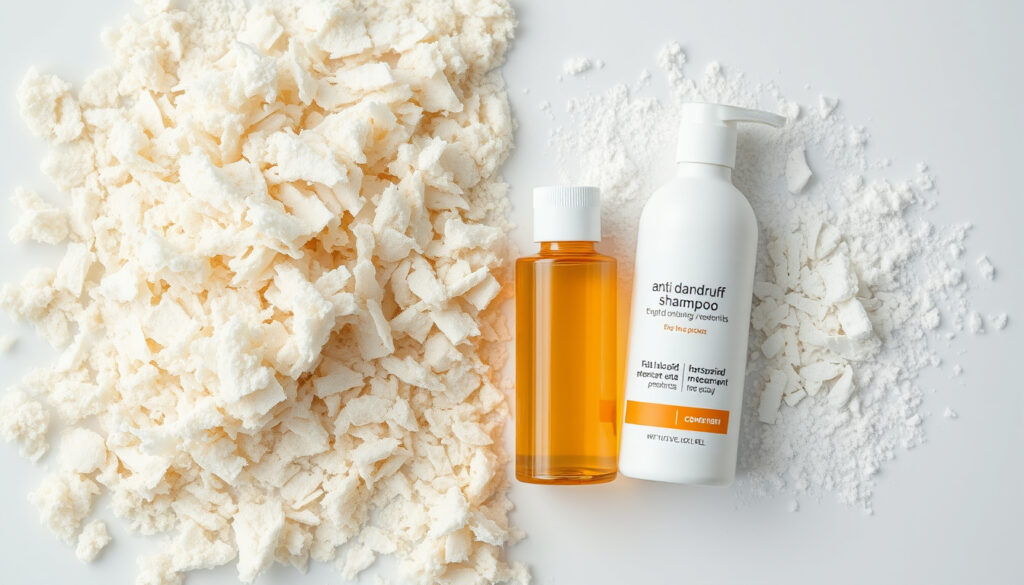
Dandruff vs Dry Scalp – Key Differences, Causes and Treatments
Dandruff and dry scalp both produce flaking and itching, yet they stem from fundamentally different causes and require distinct treatment approaches. Recognizing whether you are dealing with dandruff or dry scalp can mean the difference between lasting relief and prolonged discomfort.
The confusion between these two conditions is remarkably common. While both cause visible flakes and an itchy scalp, the underlying mechanisms differ significantly. Dandruff typically involves fungal overgrowth and excess oil production, whereas dry scalp results from a lack of moisture and natural oils in the skin. Misidentifying the condition and applying the wrong treatment may worsen symptoms over time.
This guide examines the key differences between dandruff and dry scalp, including their symptoms, causes, and the most effective strategies for managing each condition. Understanding these distinctions enables more informed decisions about hair and scalp care.
What’s the Difference Between Dandruff and Dry Scalp?
Dandruff and dry scalp represent two distinct scalp conditions that share similar visible symptoms but arise from opposite physiological circumstances. Dermatologists distinguish between these conditions based on flake appearance, scalp texture, and the underlying causes driving each issue.
At a Glance: Key Differences
Understanding the basic differences helps narrow down which condition you may be experiencing, though professional diagnosis remains valuable when symptoms are unclear.
| Aspect | Dandruff | Dry Scalp |
|---|---|---|
| Flake Appearance | Larger, greasier, yellowish or white-oily flakes | Smaller, drier, white or powdery flakes |
| Scalp Feel | Oily, often irritated; persistent without treatment | Tight, dry; hair may feel brittle |
| Primary Cause | Fungal overgrowth (Malassezia) interacting with scalp oils | Lack of natural oils and moisture |
| Itching Pattern | Common, often due to inflammation or fungal activity | Present but stemming from dryness rather than oiliness |
| Common Triggers | Excess oil, stress, hormonal changes, seborrheic dermatitis | Cold weather, overwashing, harsh products, dehydration |
| Treatment Approach | Anti-fungal shampoos and oils control | Hydrating products and reduced washing |
Dandruff flakes tend to cling to the hair and scalp, often appearing oily or greasy. The yellowish tint frequently associated with dandruff comes from the interaction between skin cells and excess sebum on the scalp. These flakes are typically larger and more noticeable than the fine particles produced by dry scalp.
Dry scalp flakes, by contrast, resemble dry skin shed from elsewhere on the body. They appear white or gray and tend to fall away from the hair more readily. The scalp itself often feels tight and may show signs of irritation from dehydration rather than excess oil.
- Dandruff results from accelerated skin cell turnover driven by fungal activity and oil buildup on the scalp.
- Dry scalp occurs when the skin lacks sufficient sebum and moisture to maintain healthy function.
- Both conditions can coexist, complicating self-diagnosis and treatment decisions.
- Climate, hair care habits, and individual biology influence which condition develops.
- Proper identification prevents the common mistake of treating one condition with products designed for the other.
- Medical evaluation becomes valuable when over-the-counter approaches fail to resolve symptoms within several weeks.
Symptoms of Dandruff vs. Dry Scalp
Shared Symptoms
Both dandruff and dry scalp produce visible flaking and scalp itching, which explains why many people struggle to differentiate between them. These shared symptoms represent the most common reasons for confusion when attempting self-diagnosis at home. The visible flakes and accompanying itchiness can look remarkably similar regardless of the underlying cause.
Symptoms Specific to Dandruff
Dandruff typically presents with larger, oilier flakes that may appear yellowish or grayish rather than purely white. The oily texture of these flakes results from excess sebum production combined with accelerated skin cell turnover. The scalp often feels greasy to the touch, and itching may intensify after periods of oil accumulation.
In more pronounced cases, dandruff may be linked to seborrheic dermatitis, a condition that causes red, scaly patches in addition to flaking. This inflammatory response can extend beyond the scalp to affect eyebrows, the sides of the nose, and behind the ears. The persistent nature of dandruff symptoms distinguishes them from temporary dry scalp issues that respond quickly to hydration.
Symptoms Specific to Dry Scalp
Dry scalp produces smaller, powdery flakes that resemble ordinary dry skin. The scalp typically feels tight and may appear flaky across its entire surface rather than in concentrated patches. Hair may become brittle or feel straw-like due to inadequate moisture reaching the hair shaft from the dehydrated scalp.
Unlike dandruff, dry scalp symptoms often improve significantly with increased hydration and protective measures. The flakes shed evenly without the clumping or sticking associated with oily dandruff flakes. Many people notice their dry scalp worsens during winter months or in dry indoor environments, then improves when humidity increases or moisturizing routines are implemented.
Place a flake on dark paper: oily, larger flakes indicate dandruff, while smaller, powdery flakes that disintegrate easily suggest dry scalp. This simple test provides a quick initial assessment.
Causes of Dandruff vs. Dry Scalp
What Causes Dandruff?
Dandruff develops when the natural balance of the scalp ecosystem is disrupted, typically involving the Malassezia fungus. This fungus occurs naturally on everyone’s scalp, but certain factors cause it to multiply rapidly, leading to the accelerated skin cell turnover characteristic of dandruff.
Several elements contribute to dandruff development. Excess oil production creates an ideal environment for fungal growth, which is why dandruff commonly appears during adolescence and young adulthood when hormone levels spike. Stress, genetic predisposition, and sensitivity to hair care products can also trigger or exacerbate dandruff symptoms.
Seborrheic dermatitis represents a more severe form of dandruff involving visible inflammation and reddening of the scalp. This condition affects areas rich in oil glands and involves both the Malassezia fungus and the skin’s inflammatory response. The exact relationship between seborrheic dermatitis and ordinary dandruff remains under study, though they share many characteristics.
What Causes Dry Scalp?
Dry scalp results from insufficient production or retention of natural scalp oils, known as sebum. Multiple environmental and behavioral factors can deplete these protective oils, leaving the scalp vulnerable to dryness and irritation.
Cold, dry weather ranks among the most common triggers, as low humidity accelerates moisture loss from the skin. Indoor heating during winter months compounds this effect by further reducing ambient moisture. Frequent washing with harsh shampoos, particularly those containing sulfates, strips away natural oils more quickly than the scalp can replenish them.
Hot showers and baths also contribute significantly to dry scalp by opening pores and removing surface oils. Certain medical conditions, including eczema and psoriasis, can manifest on the scalp as severe dryness and flaking. Some medications, particularly those affecting hormone levels or skin cell turnover, may list dry scalp among their potential side effects.
The Overlap Between Conditions
While dandruff and dry scalp have distinct origins, they can overlap in ways that complicate diagnosis and treatment. Dry scalp can mimic or exacerbate dandruff symptoms through general scalp irritation that disrupts the skin barrier. Similarly, an overly dry scalp from aggressive anti-dandruff treatment may create symptoms resembling the original problem.
Poor hair care habits—either excessive washing or insufficient cleansing—can blur the lines between these conditions. Individuals may cycle between treating what they believe is dandruff with drying anti-fungal products, then addressing the resulting dryness with heavy moisturizers, never quite resolving either issue. Understanding which condition is primary guides the most effective treatment approach.
These conditions do not directly cause one another despite sharing some symptoms. Treating dry scalp with anti-fungal products may worsen dryness, while applying heavy moisturizers to dandruff can feed the fungal overgrowth.
How to Treat Dandruff vs. Dry Scalp
Anti-Dandruff Treatments
Managing dandruff effectively requires addressing the underlying fungal overgrowth while controlling excess oil. Medicated shampoos containing specific active ingredients form the foundation of most dandruff treatment regimens. These products work by reducing fungal populations and slowing the rapid skin cell turnover that produces visible flakes.
Key active ingredients in anti-dandruff shampoos include ketoconazole, zinc pyrithione, selenium sulfide, salicylic acid, and coal tar. Each works through different mechanisms—ketoconazole and zinc pyrithione target the Malassezia fungus directly, while salicylic acid helps break down existing flakes and prevent their accumulation. Coal tar slows cell turnover but may discolor lighter hair over time.
Consistent use proves essential for managing dandruff. Most treatment protocols recommend using anti-dandruff shampoo at least twice weekly, allowing the active ingredients adequate contact time with the scalp before rinsing. Once symptoms improve, maintenance applications prevent recurrence, though frequency may be reduced.
Dry Scalp Treatments
Addressing dry scalp focuses on restoring moisture and protecting the natural skin barrier. Gentle, hydrating hair care products formulated with ingredients like glycerin, aloe vera, ceramides, hyaluronic acid, and niacinamide provide the moisture dry scalps need without exacerbating oil-related issues.
Reducing washing frequency allows natural scalp oils to accumulate and protect the skin. When washing is necessary, lukewarm rather than hot water prevents additional moisture loss. Switching to sulfate-free shampoos protects the skin barrier by avoiding the harsh cleansing agents that strip natural oils.
Scalp serums and moisturizing treatments offer concentrated hydration for particularly stubborn dry scalp. Products containing hyaluronic acid draw moisture into the skin and help retain it. Massaging these treatments into the scalp increases blood flow and promotes absorption of the active ingredients.
Home Remedies and Lifestyle Adjustments
Both conditions respond to broader lifestyle modifications that support scalp health. Stress reduction plays a meaningful role in managing dandruff, as stress hormones can influence skin cell turnover and inflammatory responses. Regular exercise, adequate sleep, and mindfulness practices contribute to overall skin health.
Dietary considerations, while less directly impactful than topical treatments, may influence scalp condition for some individuals. Staying well-hydrated supports skin moisture from within. Some people report improvements when reducing sugar and processed food intake, though scientific evidence for specific dietary interventions remains limited. For more information on swollen lymph nodes in the neck, please visit turvonnut imusolmuke kaulalla.
Environmental protection matters as well. Wearing hats or using UV protection during extended sun exposure prevents scalp sunburn that can worsen both conditions. In cold, dry weather, indoor humidifiers add moisture to heated indoor air, counteracting the drying effects of central heating systems.
For dandruff, look for labels listing ketoconazole (1%) or zinc pyrithione. For dry scalp, seek products with glycerin, hyaluronic acid, or ceramides as top ingredients. Always patch-test new products before full application.
When to See a Doctor for Scalp Issues
Most cases of dandruff and dry scalp respond well to over-the-counter treatments and lifestyle adjustments. However, certain symptoms warrant professional evaluation. Persistent symptoms that do not improve after several weeks of consistent home treatment merit consultation with a dermatologist.
Signs that suggest the need for medical attention include severe redness, swelling, or tenderness of the scalp. Bleeding or crusting beyond ordinary flaking may indicate a more serious condition requiring prescription treatment. If flakes appear accompanied by hair loss or the itching becomes debilitating, professional assessment helps rule out conditions like psoriasis, eczema, or fungal infections requiring targeted therapy.
Dermatologists can perform examinations to identify underlying causes that may not be apparent from self-observation alone. They may take skin scrapings to examine under microscopy or conduct patch testing to identify product sensitivities contributing to scalp symptoms. Prescription-strength anti-fungal medications or topical steroids may be appropriate for more severe or persistent cases.
Those with compromised immune systems, including individuals undergoing chemotherapy or living with HIV, should seek prompt medical attention for any scalp symptoms. What might be simple dandruff in a healthy person can progress more rapidly or become infected in those with weakened immune function.
Common Myths About Dandruff and Dry Scalp
Myth: All Scalp Flaking Is Dandruff
This assumption leads many people to use anti-fungal products unnecessarily. Dry scalp flakes require hydration-focused treatment, not anti-fungal intervention. Applying dandruff shampoo to a dry scalp can strip away what little natural oil exists, potentially worsening the underlying dryness and creating a cycle of irritation and over-treatment.
Myth: Dry Scalp and Dandruff Are the Same Thing
While they share similar symptoms, these conditions have opposite underlying causes. Dandruff thrives in oily environments with fungal overgrowth, whereas dry scalp lacks sufficient moisture and oil. This fundamental difference means the conditions require opposite treatment philosophies to achieve relief.
Myth: One Condition Always Leads to the Other
Research does not support the idea that dry scalp transforms into dandruff or vice versa. They share an overlap through general scalp irritation and may both exist simultaneously, but each has distinct origins. Treating one does not risk causing the other, though aggressive treatment of either may temporarily disturb scalp balance.
Understanding Scalp Health Context
Scalp health exists within a broader context of skin biology and individual physiology. The scalp hosts approximately 100,000 hair follicles, each surrounded by oil glands that contribute to the overall sebum balance. When this system functions normally, skin cells shed invisibly at a gradual rate. Disruptions to this balance—whether from fungal activity, oil overproduction, or moisture loss—create the visible symptoms that bring people to seek treatment.
Genetic factors influence susceptibility to both conditions. Some families show patterns of particularly oily scalps prone to dandruff, while others consistently experience dryness. Hormonal changes throughout life, from puberty through menopause, shift scalp conditions in ways that may favor one problem or the other.
Climate and season affect scalp condition as well. Cold, dry winters typically worsen dry scalp, while humid summers may increase oil production and exacerbate dandruff for those predisposed. Awareness of these patterns helps individuals anticipate and proactively address their specific vulnerabilities.
Medical Perspectives and Research
The medical community has extensively studied both dandruff and dry scalp, with significant attention devoted to understanding the role of Malassezia species in dandruff pathogenesis. Research published in dermatology journals confirms the fungal connection while acknowledging that individual susceptibility varies considerably. Not everyone with Malassezia overgrowth develops visible dandruff, suggesting that immune response and skin barrier function play important modulating roles.
Clinical guidelines from dermatological associations emphasize accurate diagnosis as the foundation of effective treatment. Current recommendations balance anti-fungal treatment for dandruff with moisturizing approaches for dry scalp, avoiding the one-size-fits-all mentality that often leads to treatment failure. Ongoing research continues to refine understanding of the skin microbiome and its influence on scalp conditions.
Understanding whether flaking stems from fungal overgrowth or moisture loss guides treatment selection and improves outcomes.
— Dermatology research consensus on scalp condition management
Summary
Dandruff and dry scalp share visible symptoms but require different treatment approaches based on their distinct underlying causes. Dandruff involves fungal overgrowth and excess oil, producing larger, oilier flakes that respond to anti-fungal medicated shampoos. Dry scalp results from moisture loss and insufficient natural oils, creating smaller, powdery flakes best addressed through hydration and gentle hair care.
Accurate identification of your specific condition prevents the common error of applying the wrong treatment, which can extend discomfort and worsen symptoms. Most cases resolve with consistent home care using appropriate over-the-counter products. Professional evaluation becomes necessary when symptoms persist, intensify, or include signs of inflammation beyond ordinary flaking.
Maintaining scalp health involves understanding your individual patterns and responding to seasonal or situational changes proactively. Protecting the skin barrier, avoiding harsh products, and managing stress collectively support long-term scalp wellness regardless of which condition you tend to experience. For related skin health information, explore probiotics for skin health and identifying scabies rash and itch.
Frequently Asked Questions
Can dry scalp turn into dandruff?
Dry scalp and dandruff have different underlying causes and do not directly transform into one another. However, dry scalp can mimic dandruff symptoms or exacerbate existing dandruff through general scalp irritation. Treating the wrong condition may temporarily worsen symptoms.
What do dandruff flakes look like compared to dry scalp flakes?
Dandruff flakes are typically larger, oilier, and may appear yellowish or grayish-white. They often cling to hair and scalp. Dry scalp flakes are smaller, drier, and powdery in texture, resembling shed skin from elsewhere on the body. They fall away from hair more readily.
Is dandruff the same as dry scalp?
No. Dandruff involves fungal overgrowth and excess oil, while dry scalp results from lack of moisture and natural oils. Both cause flaking and itching but require opposite treatment approaches. Misidentifying the condition may prolong symptoms.
How do I know if I have dandruff or dry scalp?
Examine your flakes: oily, larger flakes suggest dandruff; smaller, powdery flakes indicate dry scalp. Consider your scalp feel: greasy or oily points to dandruff, while tight or dry sensation suggests dry scalp. If uncertain, a dermatologist can provide definitive diagnosis.
What is the best shampoo for dandruff?
Effective anti-dandruff shampoos contain ketoconazole, zinc pyrithione, selenium sulfide, or salicylic acid. Rotate between different active ingredients to prevent resistance. Use as directed, typically two to three times weekly until symptoms improve.
How often should I wash my hair if I have dry scalp?
For dry scalp, washing two to three times weekly with a gentle, sulfate-free shampoo preserves natural oils. Daily washing strips moisture and may worsen dryness. Use lukewarm rather than hot water, and apply conditioner to the lengths rather than the scalp.
When should I see a dermatologist for scalp issues?
Seek professional care if over-the-counter treatments fail after four to six weeks, if you experience significant redness, swelling, bleeding, or hair loss, or if itching severely impacts daily life. Those with compromised immune systems should consult promptly.
Can stress cause dandruff or dry scalp?
Stress does not directly cause either condition but can worsen existing dandruff by affecting hormone levels and immune function. Managing stress supports overall skin health and may reduce dandruff severity. Dry scalp is more directly influenced by environmental and product-related factors.
More related posts
 Coin Laundry Near Me: Dublin Prices & Tips
 How to Use chrome://flags: Desktop & Android Guide
 Jake T. Austin: Career, Controversies, Age & News
 How Many Kids Does NBA YoungBoy Have? 13 Kids in 2026
 Swimming Classes Near Me: Costs, Benefits & How to Start
 Lucy in the Sky Party Dresses: Reviews & Buyer Guide
 Asian Grocery Store Near Me: Prices, Tips & Best Irish Stores
 Val Kilmer Top Gun: Iceman Role and Full Story
