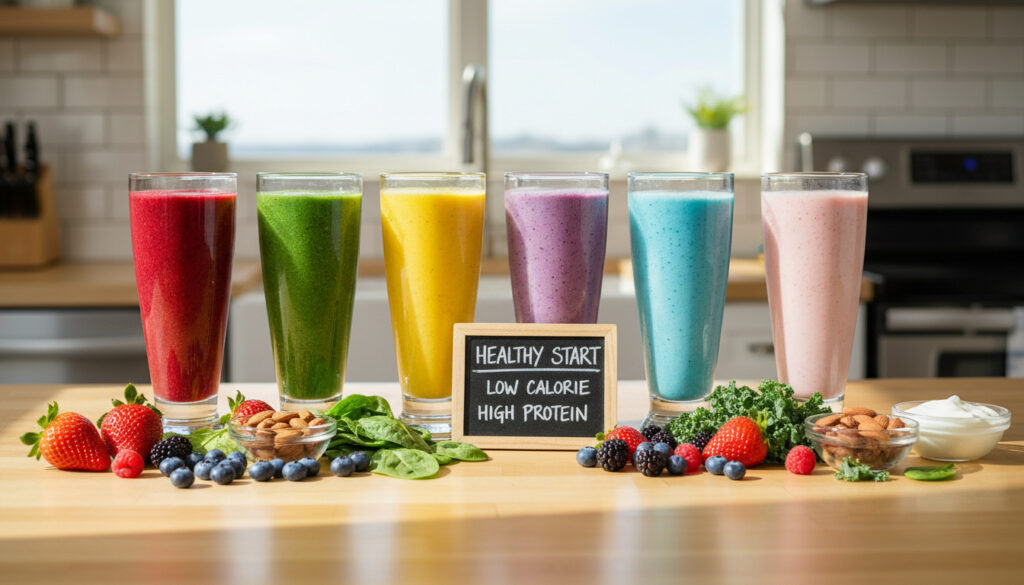
Best Smoothie Recipes for Weight Loss – Low-Cal High-Protein Options
Green smoothies have emerged as a dominant force in modern weight management protocols, offering nutrient-dense combinations that typically range between 130 and 290 calories per serving while delivering up to 29 grams of protein. These blends leverage leafy greens such as spinach and kale, combined with strategic protein sources including Greek yogurt, cottage cheese, or hemp seeds, to create meals that promote satiety without exceeding caloric limits.
The appeal extends across dietary boundaries. Whether adapted for ketogenic protocols using low-carb berries and MCT oil, vegan lifestyles incorporating pea protein and almond butter, or paleo frameworks emphasizing natural ingredients, these smoothies function as versatile vehicles for micronutrients. However, their effectiveness depends entirely on ingredient selection—combinations high in fruit sugars or lacking protein may undermine weight loss goals despite their healthy appearance.
Nutrition experts emphasize that the structural components of these beverages matter more than their green coloration. High fiber content from vegetables, adequate protein to slow digestion, and careful management of caloric density separate effective weight loss aids from glorified desserts.
What Are the Best Smoothie Recipes for Weight Loss?
Selecting optimal recipes requires balancing macronutrient density with caloric restraint. The most effective options combine protein sources with fiber-rich greens and minimal added sugars, creating meals that sustain energy while supporting caloric deficits.
Coconut Kale Smoothie
Kale and coconut base with protein boosters. Dense fiber profile supports morning fullness.
Avocado-Spinach Blend
Creamy texture from avocado pairs with kefir or collagen. Healthy fats enhance satiety.
5-Ingredient Go-To
Banana and spinach foundation with protein powder. Simple preparation masks vegetable taste effectively.
Paleo Green Smoothie
Lowest caloric option utilizing paleo-approved proteins. Keto-adaptable with minimal carbohydrates.
Key Nutritional Advantages
- Protein density: Recipes incorporating cottage cheese, Greek yogurt, or plant powders deliver 18-29g protein per serving, significantly exceeding typical breakfast cereals
- Fiber saturation: Soluble fiber from spinach, kale, and flaxseeds slows gastric emptying, extending the sensation of fullness
- Caloric efficiency: Strategic recipes maintain 130-290 calorie ranges, enabling substantial meal replacements without surplus energy intake
- Metabolic support: Ingredients like matcha, green tea extract, and cacao may enhance energy expenditure when combined with exercise
- Hydration integration: Coconut water and cucumber bases provide electrolyte balance without caloric penalties
- Adaptability: Vegan and ketogenic modifications maintain macronutrient profiles while accommodating dietary restrictions
Comparative Nutritional Breakdown
| Recipe Name | Calories | Protein (g) | Fiber (g) | Dietary Fit |
|---|---|---|---|---|
| Coconut Kale Smoothie | 289 | 11 | 4 | Green Detox |
| Avocado-Spinach Green | 259 | 18 | 6 | High Protein |
| 5-Ingredient Go-To | 215 | 13 | 7 | Vegan-Adaptable |
| Paleo Green Smoothie | 129 | 4 | 3 | Keto-Friendly |
| Spinach-Pineapple | 200-230 | 20-25* | 5-7* | Hydrating Detox |
| Vegan Green Smoothie | 290 | 10 | 10 | Fully Plant-Based |
| Protein-Packed Green | 260-280 | 19 | 6+ | Post-Workout |
| Avocado Banana Protein | N/A | 29 | 8+ | Vegan Energy |
*Estimated based on protein powder quantity. Data compiled from Women’s Health and Nutrisystem.
Are Smoothies Good for Weight Loss?
The efficacy of smoothies as weight loss tools depends on their structural composition rather than the blending process itself. Research indicates that high-protein, high-fiber combinations can support weight management when integrated into calorie-controlled diets, though no large-scale randomized controlled trials specifically isolate green smoothies as independent weight loss agents.
Can Smoothies Help Burn Belly Fat?
Specific ingredient combinations show promise for targeting abdominal adiposity through metabolic enhancement. Combinations of green tea and grapefruit leverage pectin and polyphenols to increase satiety signals, according to research published in the Journal of Medical Food. Similarly, cacao paired with almonds demonstrates potential for boosting energy expenditure, as documented in BMJ research.
However, nutritionists caution that no smoothie independently “burns” fat. The metabolic benefits emerge only when these beverages replace higher-calorie meals or accompany consistent exercise regimens. Post-workout consumption particularly enhances muscle recovery and fat oxidation when combined with high-intensity interval training.
Current scientific literature supports the satiety-promoting effects of individual components—protein, fiber, and specific polyphenols—but does not establish direct causation between smoothie consumption and weight loss independent of caloric deficits.
Do Smoothies Make You Gain Weight?
Improperly constructed smoothies pose legitimate weight gain risks. Blends heavy in tropical fruits, sweetened nut milks, or excessive nut butters can deliver 400-600 calories without corresponding protein or fiber to blunt hunger. Liquid calories generally trigger weaker compensatory responses than solid foods, potentially leading to subsequent overeating.
The risk increases when consumers add multiple “boosts”—chia seeds, flaxseeds, protein powder, and nut butter simultaneously—creating caloric bombs that masquerade as health food. Monitoring portion sizes and limiting high-energy additions to one or two per serving mitigates this risk.
What Ingredients Are Best for Weight Loss Smoothies?
Ingredient selection determines whether a smoothie supports weight management or undermines it. The most effective formulations prioritize protein density, fiber content, and low glycemic load while minimizing caloric density through water-rich vegetables.
Are Protein Smoothies Good for Weight Loss?
Protein integration proves essential for effective weight loss smoothies. Sources delivering 20-30 grams per serving—whether through Greek yogurt, cottage cheese, pea protein powder, or hemp hearts—slow gastric emptying and preserve lean muscle mass during caloric deficits. This muscle preservation maintains metabolic rate, preventing the adaptive thermogenesis that often accompanies weight loss plateaus.
Plant-based options achieve comparable protein levels through combinations of pumpkin seeds, hemp hearts, and pea protein isolates. The Green Protein Power Breakfast smoothie demonstrates this approach, utilizing pumpkin seeds and hemp hearts alongside spinach to create satiating vegan meals.
How Do Greens and Fiber Contribute?
Leafy greens provide volume and micronutrients with minimal caloric impact. Spinach and kale deliver 1-2 grams of fiber per cup while contributing iron, magnesium, and antioxidants. Soluble fiber forms gel-like substances in the digestive tract, slowing carbohydrate absorption and extending satiety.
Rotate between spinach, kale, and arugula to minimize oxalate exposure. Add one tablespoon of chia, hemp, or flax seeds for omega-3 fatty acids and additional fiber without excessive calories.
How Many Smoothies Should I Drink a Day for Weight Loss?
Frequency protocols recommend limiting smoothies to one or two servings daily, typically replacing breakfast or functioning as post-workout recovery meals. Over-reliance on liquid nutrition risks micronutrient deficiencies and inadequate satiety signals compared to masticating whole foods.
What Smoothies Work Best for Breakfast?
Morning smoothies require higher protein content—minimum 15 grams—to sustain energy through mid-morning hours. The breakfast-specific formulations emphasized by dietitians combine protein, fiber, fruits, and vegetables to create complete meals rather than supplemental snacks.
Recipes incorporating matcha or green tea powder offer additional metabolic advantages during morning hours when cortisol levels naturally peak. However, pairing smoothies with whole-food snacks—such as a handful of almonds or a hard-boiled egg—provides textural variety and enhanced satiety compared to liquid meals alone.
Dietitians recommend smoothies as meal replacements within calorie deficits, not as sole dietary sources. Consuming more than two daily increases risks of inadequate fiber diversity and blood sugar dysregulation.
When Is the Optimal Timing for Weight Loss Smoothies?
Strategic timing enhances the metabolic benefits of smoothie consumption. Integration points throughout the day serve different physiological purposes, from breaking overnight fasts to supporting muscle protein synthesis after training.
- Morning (7:00-9:00 AM): High-protein blends break fasted states while providing sustained energy. Protein components blunt cortisol spikes and prevent mid-morning cravings.
- Pre-Workout (1 hour prior): Light combinations featuring banana and spinach provide glucose for training without gastric distress.
- Post-Workout (30 minutes after): Protein-heavy formulations with 20+ grams support muscle recovery and glycogen replenishment, particularly following HIIT sessions.
- Between Meals (3:00-4:00 PM): Low-calorie vegetable-dense options bridge afternoon gaps without spoiling dinner appetites.
What Does the Evidence Confirm About Smoothies?
Distinguishing established nutritional science from marketing claims clarifies realistic expectations for smoothie-based weight loss strategies.
| Established Findings | Uncertain or Unproven |
|---|---|
| High protein/fiber combinations increase satiety and reduce subsequent caloric intake | Specific “detoxification” effects of green smoothies beyond standard nutrition |
| Meal replacement smoothies support weight loss when part of calorie-controlled diets | Direct fat oxidation or “belly fat melting” independent of caloric deficits |
| Liquid calories produce weaker satiety signals than solid equivalents | Superiority of specific “fat-burning” ingredients over general protein/fiber |
| Post-workout protein consumption supports muscle recovery | Long-term metabolic advantages of smoothie diets versus whole-food equivalents |
How Do Smoothies Fit Into Modern Nutrition?
The evolution of smoothie culture reflects broader shifts toward convenience nutrition and plant-forward eating patterns. Initially marketed as fruit-based treats, modern weight loss smoothies emerged from clinical meal replacement research and athletic nutrition science, prioritizing macronutrient completeness over simple palatability.
Contemporary approaches emphasize savory profiles and vegetable dominance over fruit-heavy predecessors. This shift aligns with evidence suggesting that reducing fructose content while maintaining fiber and protein produces superior metabolic outcomes. The integration of adaptogens, probiotics, and functional foods further distinguishes modern formulations from basic blended beverages.
What Do Nutrition Experts Say About Weight Loss Smoothies?
Professional consensus emphasizes smoothies as tools rather than solutions. Registered dietitians acknowledge their utility for busy individuals struggling with breakfast preparation while warning against over-reliance on liquid calories.
“These breakfast smoothies contain protein, fiber, fruits, and veggies… a yummy way to support weight loss.”
— Registered Dietitian, Women’s Health
“Love this one, mango and spinach go really well together!”
— Nutrition Expert, Welltech (regarding spinach-mango combinations)
Summary
Effective weight loss smoothies combine high-quality protein sources, fiber-rich greens, and controlled caloric loads between 130-290 calories per serving. While these beverages support satiety and nutritional completeness when replacing higher-calorie meals, they function optimally as components of balanced diets rather than standalone solutions. Success requires attention to ingredient quality, portion control, and integration with whole-food meals. For those evaluating broader wellness strategies, consider reading the Garden of Life Probiotics – 2025 Review and Buyer’s Guide to understand how gut health complements nutritional interventions.
Can I replace all meals with smoothies for faster weight loss?
No. Complete meal replacement risks nutrient deficiencies, inadequate fiber diversity, and metabolic adaptation. Dietitians recommend replacing one or two meals maximum while maintaining whole-food consumption for dinner or lunch.
How long can I store a green smoothie?
Refrigerate blended smoothies in airtight containers for up to 24 hours. Shake vigorously before consuming as separation occurs naturally. Freezing extends storage to one month but may alter texture.
Are these recipes suitable for ketogenic diets?
Select recipes adapt well to keto by substituting banana with zucchini or cauliflower, using berries instead of tropical fruits, and adding MCT oil. The Paleo Green Smoothie at 129 calories naturally fits low-carbohydrate protocols.
Can smoothies cause blood sugar spikes?
Fruit-heavy blends without protein or fat can spike glucose. Mitigate this by adding greens, protein powder, or nut butters to slow carbohydrate absorption and extend satiety.
What is the best liquid base for weight loss smoothies?
Unsweetened almond milk provides the lowest caloric base at 30-40 calories per cup. Coconut water offers electrolytes for post-workout recovery but contains natural sugars. Avoid sweetened nut milks or juice bases.
Should I track calories when drinking smoothies?
Yes. Caloric density varies significantly based on ingredient quantities. Tracking applications help prevent inadvertent overconsumption, particularly when adding calorie-dense ingredients like nut butters or avocado.
How do I make smoothies more filling?
Increase protein to 20+ grams, add soluble fiber through chia or flax seeds, and include healthy fats from avocado or almonds. Volume additions like ice or cucumber increase physical bulk without calories.
For additional lifestyle content, check the New TV Shows 2025 – Complete Release Schedule.
More related posts
 Adidas Shoes for Men: 2025 Irish Buying Guide
 All in the Family: Cast, Cancellation, Edith’s Death
 Lobster Roll Near Me Dublin: Cost, Season & Best Spots
 VA Disability Pay Dates 2025 & 2026: Full Schedule + 2.8% COLA
 How Old Is Travis Kelce and Taylor Swift – Ages, Birthdays, 69-Day Gap
 NBA Games Tonight on TV: Schedule, Channels & Streaming
 CeraVe Resurfacing Retinol Serum: Does It Work & How to Use
 The Good American Family – Founders, Ownership, History 2025
