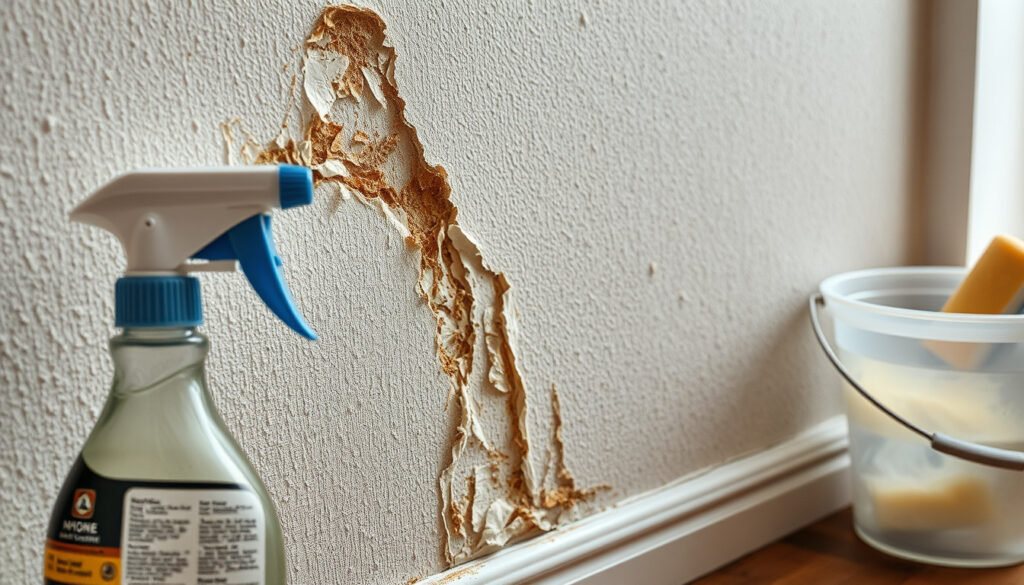
How to Remove Wallpaper Glue: 5 Easy Methods That Work
Anyone who has peeled away a strip of wallpaper only to find a tacky, stubborn layer of glue underneath knows the feeling — the job isn’t finished, it’s just changed shape. That residue can turn a weekend project into weeks of frustration if you use the wrong method for your wall type. This guide walks through the five most effective removal techniques, with surface-specific advice for plaster, wood, and textured walls, so you can get back to a clean, paint-ready surface.
Most effective DIY solution: Fabric softener and warm water mixture ·
Chemical option: DIF liquid or gel wallpaper stripper ·
Common household alternative: White vinegar and hot water ·
Time required for softening: 15–20 minutes ·
Risk of wall damage: High if scraping too aggressively
Quick snapshot
- Fabric softener solution (1:4 with warm water) softens most wallpaper glues (Benjamin Moore paint experts)
- White vinegar dissolves water-based adhesives when combined with hot water (Benjamin Moore paint experts)
- Chemical strippers remove stubborn residues faster than any DIY method (Benjamin Moore guide)
- Effectiveness of vinegar on synthetic or vinyl glues older than 20 years
- Whether WD-40 is safe on painted walls without damaging the finish
- Long-term effect of enzyme cleaners on porous wall surfaces such as unsealed plaster
- Gel remover needs 10–15 minutes to dissolve old adhesive (ROMAN Products adhesive guide)
- Homemade solutions require the wall to stay damp for 10–15 minutes before scraping (Benjamin Moore paint experts)
- Steam softens glue within a few minutes of directed heat (Lowe’s home improvement)
- After glue removal, sand rough spots with 220-grit sandpaper (Benjamin Moore paint experts)
- Prime the wall before painting to seal any microscopic residue (Benjamin Moore paint experts)
- Test a small section first on plaster walls to anticipate hidden issues (ROMAN Products)
Five common approaches, one clear pattern: the gentlest method that removes the glue without damaging the wall surface almost always wins, but the right choice depends on the adhesive type and wall material.
| Method | Ratio or concentration | Soaking time | Best for |
|---|---|---|---|
| Fabric softener + warm water | 1 part softener to 4 parts water | 15–20 minutes | Most standard wallpaper glues |
| White vinegar + hot water | 1 part vinegar to 2 parts water (or undiluted) | 10–15 minutes | Water-based adhesives, mineral-based glues |
| Baking soda paste | Baking soda mixed with water to a spreadable paste | 10–15 minutes | Delicate surfaces, textured walls |
| Chemical stripper (e.g., DIF gel) | Ready-to-use spray or gel | 10–15 minutes per coat | Stubborn, old, or synthetic adhesives |
| TSP (trisodium phosphate) solution | Follow manufacturer dilution instructions | 5–10 minutes | Heavy paste residue (Miss Mustard Seed home blog) |
DIY solutions are cheaper and safer for the wall surface but require more elbow grease and multiple applications. Chemical strippers work faster but demand ventilation, gloves, and careful use near electrical outlets — ROMAN Products recommends turning off electricity to the room before spraying any remover.
What is the easiest way to remove wallpaper glue?
Warm water and fabric softener method
- Mix one part fabric softener with three to four parts warm water — Benjamin Moore paint experts recommend a ratio of 1/4 fabric softener to 3/4 warm water.
- Apply the solution with a pump sprayer, spray bottle, or sponge so the wall stays damp for 10 to 15 minutes (Benjamin Moore application tips).
- Work one section at a time so the remover does not dry out before you scrape (ROMAN Products workflow guide).
- Use a plastic putty knife or wallpaper scraper to lift the softened glue gently.
Chemical wallpaper strippers
- Ready-to-use sprays and gels such as DIF (available through Benjamin Moore paint experts) penetrate adhesives that resist water.
- Spray the gel so the wall stays moist but not soaked, and allow 10 to 15 minutes for the gel to dissolve old adhesive (ROMAN Products gel application).
- If the wallpaper does not come away easily, do not force it — ROMAN Products warns that forcing can damage plaster or drywall beneath.
Baking soda and dish soap paste
- Mix baking soda with a small amount of water and a drop of dish soap to form a spreadable paste.
- Apply to the glue residue, let it sit for 10–15 minutes, then scrub gently with a sponge.
- This method is mild enough for delicate wall surfaces such as textured or painted plaster where abrasives could leave marks.
The implication: the easiest method is not the fastest — it’s the one that removes the glue in one pass without damaging the wall. Fabric softener wins for most homeowners, but if you’re facing adhesive that has been painted over or has cured for decades, chemical strippers save time and prevent wall damage.
Does vinegar take off wallpaper glue?
How to use vinegar for glue removal
- White vinegar works because its acidity breaks down water-based wallpaper adhesives.
- Benjamin Moore paint experts list a solution of 1/3 household vinegar to 2/3 warm water as an effective homemade remover.
- Apply with a spray bottle or sponge, keep the wall damp for 10–15 minutes, then scrape with a plastic scraper.
Vinegar vs. fabric softener
- Both DIY solutions cost under $5 and use common household ingredients.
- Fabric softener tends to work faster on most standard glues because its surfactants penetrate adhesive more effectively.
- Vinegar is a better choice for mineral-based glues or cases where you want to avoid added fragrances and dyes.
When vinegar fails
- Vinegar may not work on heavy-duty or old synthetic adhesives, particularly vinyl glues that have cured for more than 20 years.
- If the glue beads up or does not soften after 15 minutes of soaking, switch to a chemical stripper or fabric softener.
The pattern: vinegar is a solid first attempt for fresh water-based adhesives, but for most homeowners tackling old wallpaper glue, fabric softener or a chemical stripper will deliver more reliable results.
Choosing vinegar when the adhesive is synthetic wastes time and risks drying out the wall surface, which can make scraping harder and increase the chance of gouging the wall.
Does all wallpaper glue need to be removed before painting?
Why leftover glue affects paint adhesion
- Benjamin Moore paint experts state clearly that the best way to prepare for painting is to remove both the wallpaper and the underlying adhesive.
- Any residual glue can cause paint to peel, bubble, or crack within months because the adhesive creates a barrier that prevents proper bonding.
How to test if glue is fully removed
- Spray a light mist of plain water on the wall — if the water beads up, glue is still present. If it soaks in evenly, the surface is clean.
- Run your hand across the wall; tackiness or a sticky feel means more removal work is needed.
Exemptions for paintable wallcoverings
- Some modern wallpaper glues are formulated to be paint-compatible, and a high-quality primer can seal thin residue.
- If the glue is patchy and thin, a stain-blocking primer such as an oil-based or shellac-based product may allow painting without full removal.
The catch: skipping glue removal is a gamble. Even with primer, thick or uneven residue will eventually telegraph through the paint, leaving visible bumps or gloss differences. Full removal is the only reliable guarantee.
What dissolves old wallpaper glue?
Water-soluble vs. non-water-soluble adhesives
- Old wallpaper glue often becomes water-resistant over time as it cures and cross-links, which is why plain water alone may fail.
- Water-soluble glues (typically used with paper wallpaper) respond to vinegar, fabric softener, or warm water.
- Non-water-soluble adhesives (common in vinyl or peel-and-stick wallpapers) require chemical strippers or solvent-based removers.
Enzyme-based removers
- Enzyme cleaners break down organic glue compounds — the proteins and starches in natural adhesives — making them a good choice for older glues derived from natural sources.
- These products are gentler on walls than harsh chemicals but may take longer (20–30 minutes) to penetrate.
Ammonia and other chemical solvents
- Ammonia mixtures can dissolve stubborn residues but require strong ventilation and rubber gloves.
- Miss Mustard Seed home blog notes that most wallpaper manufacturers recommend TSP (trisodium phosphate) as a reliable solvent for paste residue — it breaks down glue quickly and can be followed by scraping with a plastic putty knife.
The pattern: the older the glue, the more likely it has become water-resistant. For glue over 20 years old, skip the vinegar and go straight to a chemical stripper or TSP-based solvent.
Ammonia and TSP are effective but can discolor or etch certain wall finishes. Always test in an inconspicuous area first, and never mix ammonia with bleach-based cleaners — the combination produces toxic fumes.
Does wallpaper glue damage walls?
Surface staining and discoloration
- Old glue can yellow painted walls over time, especially if exposed to sunlight or humidity.
- Left in place, organic adhesives can absorb moisture and promote mold growth behind paint.
Glue removal methods that harm drywall
- ROMAN Products advises that if wallpaper does not come away easily from plaster, it should not be forced — aggressive scraping or harsh chemicals can gouge drywall or cause surface crumbling.
- Benjamin Moore paint experts recommend using a plastic putty knife rather than metal to minimize scratching.
Prevention tips
- Use a scoring tool in a gentle circular motion with only light pressure (ROMAN Products scoring technique).
- Cover floors with a drop cloth and tape off electrical outlets, molding, and baseboards before starting (Benjamin Moore prep recommendations).
- Test the removal method on a small, hidden wall section first — especially on plaster or textured walls where damage is harder to repair.
The implication: a wall that survives glue removal without gouges or chemical stains saves you the cost of patching and re-sanding. Investing 15 minutes in a test patch can prevent hours of repair work.
Upsides
- DIY methods (fabric softener, vinegar, baking soda) cost under $10 and are safe for most wall surfaces
- Chemical strippers remove stubborn glue in one application, saving labor time
- Plastic scrapers and scoring tools minimize wall damage when used correctly
- Proper glue removal ensures paint adhesion and prevents future peeling
Downsides
- DIY methods may require 2–3 applications for old or synthetic adhesives
- Chemical strippers require ventilation, gloves, and electrical safety precautions
- Aggressive scraping or incorrect tool use can gouge plaster and drywall
- TSP and ammonia solutions can discolor certain wall finishes if not tested first
Step-by-step: Removing wallpaper glue from plaster, wood, and textured walls
Step 1: Prepare the room
- Turn off electricity to the room at the breaker panel before spraying any liquid (ROMAN Products safety instructions).
- Cover floors with a drop cloth and seal electrical outlets, molding, and baseboards with painter’s tape (Benjamin Moore prep recommendations).
- Gather materials: pump sprayer or spray bottle, plastic putty knife or wallpaper scraper, scoring tool, sponge, and your chosen removal solution.
Step 2: Score the wallpaper (if paper is still on the wall)
- Use a wallpaper scoring tool in a gentle circular motion with light pressure to create small holes that allow the removal solution to penetrate (ROMAN Products scoring advice).
- For plaster walls, ROMAN Products recommends starting with a test area to anticipate problems beneath the paper.
Step 3: Apply the removal solution
- For fabric softener method: mix 1/4 cup fabric softener with 3/4 cup warm water (Benjamin Moore paint experts ratio).
- Spray or sponge the solution onto the wall so the surface stays damp but not soaked.
- Work one section at a time — ROMAN Products advises doing this so the remover does not dry out before you scrape.
- Allow 10–15 minutes for the solution to dissolve the adhesive.
Step 4: Scrape the glue
- Use a plastic putty knife or wallpaper scraper held at a shallow angle to lift the softened glue.
- If the glue does not come away easily, do not force it — reapply the solution and wait another 5–10 minutes (ROMAN Products warning).
- For textured walls, use a sponge or soft brush instead of a scraper to avoid flattening the texture.
Step 5: Clean and sand the surface
- Remove remaining adhesive spots by reapplying cleaning solution and carefully scraping (Benjamin Moore spot removal).
- Sand rough spots with 220-grit sandpaper and a sanding sponge to smooth the wall (Benjamin Moore sanding specification).
- Wipe the wall with a damp cloth to remove dust, then allow it to dry completely before priming or painting.
Surface-specific notes
- Plaster walls: Test a small area first (ROMAN Products recommendation). Plaster is more porous than drywall and can absorb moisture unevenly, so keep soak times moderate and avoid oversaturation.
- Wood surfaces: Avoid excessive water or liquid exposure, which can cause swelling or warping. Use a minimal-damp sponge rather than a sprayer, and wipe dry immediately after scraping.
- Textured walls: Skip scraping tools — use a stiff-bristle brush or sponge with your removal solution to loosen glue from the texture grooves. Rinse thoroughly to prevent white residue buildup.
Clarity check: What we know vs. what remains uncertain
Confirmed facts
- Fabric softener solution (1:4 with warm water) effectively softens most wallpaper glues (Benjamin Moore paint experts).
- White vinegar dissolves water-based adhesives when used at a 1:2 ratio with hot water (Benjamin Moore paint experts).
- Chemical strippers remove stubborn residues faster than DIY methods (Benjamin Moore paint experts).
- Residual glue must be removed before painting to ensure adhesion and prevent peeling.
- A steamer uses boiling water to soften glue between the wallpaper and the wall (Lowe’s home improvement).
- TSP solution breaks down paste quickly and is recommended by most wallpaper manufacturers (Miss Mustard Seed home blog).
What remains unclear
- Effectiveness of vinegar on synthetic or vinyl glues older than 20 years has limited documented testing.
- Whether WD-40 is safe on painted walls without damaging the finish is not confirmed by any major manufacturer.
- Long-term effect of enzyme cleaners on porous wall surfaces such as unsealed plaster has not been studied in controlled conditions.
What real DIYers and experts say
“I used a mix of warm water and fabric softener on a large room. It took two passes, but the glue came off without damaging the plaster underneath. Definitely test a patch first.”
— Reddit user (DIY home improvement forum)
“For tough, old adhesive that resists water and vinegar, a dedicated wallpaper stripper like DIF works faster and more thoroughly than any homemade solution.”
— Benjamin Moore paint and wallpaper expert, official guide
“If you have leftover glue flakes that won’t budge, dry sanding with fine-grit paper can smooth them away — just be gentle to avoid sanding through the wall surface.”
— Home improvement blogger, Miss Mustard Seed
The consequence is straightforward: the method you choose determines whether your wall survives the process intact. For homeowners in the US tackling a standard room, fabric softener and warm water is the first-line approach for most glues, with chemical strippers as the backup for adhesives that have cured for more than 15 years or have been painted over. Plaster and textured walls demand extra caution — test first, go easy on soaking time, and never force the scrape. For anyone who wants a paint-ready wall without repair bills, the choice is clear: start with the gentlest effective method, confirm with the water-spray test, and prime before painting.
youtube.com, reddit.com, reddit.com, tiktok.com, youtube.com, mirandaschroeder.com, youtube.com, youtube.com
Frequently asked questions
Can I use ammonia to remove wallpaper glue?
Yes, ammonia mixed with warm water can dissolve stubborn wallpaper glue. However, it requires strong ventilation and rubber gloves, and you should never mix ammonia with bleach-based cleaners. Test in an inconspicuous area first, as ammonia can discolor some wall finishes.
How long does it take to remove wallpaper glue from a room?
Removing the glue from a standard 10×12-foot room typically takes 2–4 hours, depending on the glue type and removal method. DIY solutions like fabric softener may require two or three applications, adding up to 6–8 hours total including drying time between coats.
Is it necessary to prime the wall after removing glue?
Yes, priming is strongly recommended. A stain-blocking primer seals any microscopic residue, ensures uniform paint adhesion, and prevents the glue from reactivating when wet paint is applied. Skip primer only if the wall is perfectly clean and you are using a self-priming paint.
What is the best tool for scraping wallpaper glue?
A plastic putty knife or a dedicated wallpaper scraper with a wide, flexible blade is best. Metal scrapers can gouge drywall or plaster, so use them only if the wall is robust and you maintain a shallow angle. For textured walls, skip the scraper and use a stiff-bristle brush or sponge instead.
Will heat from a steam cleaner help remove glue?
Yes, steam cleaners are effective. Lowe’s home improvement explains that a steamer uses boiling water to soften the glue between the wallpaper and the wall. Work from top to bottom, one section at a time, and let the paper soak for a few minutes before scraping.
Can I remove wallpaper glue without damaging drywall?
Yes, by using a plastic scraper, applying a gentle removal solution, and never forcing the adhesive off. Benjamin Moore paint experts recommend keeping the wall damp for 10–15 minutes and allowing the solution to do the work, rather than scraping aggressively.
Does a mix of vinegar and baking soda work better than alone?
Vinegar and baking soda react to create carbon dioxide bubbles, which can help lift loose residue. However, the reaction neutralizes both ingredients, so the mixture is less effective at dissolving glue than either one used separately. For most adhesives, vinegar alone or baking soda paste alone will outperform the combined mixture.
Related reading: AC replacement near me: cost, health, and the 3-minute rule · Emergency garage door repair: costs and manual operation
More related posts
 Trader Joe’s Tote Bag: Price, Resale Frenzy & Boycott
 Happy Birthday Image Free: Be t Site , Copyright & Tip
 Where to Watch Dodgers vs Toronto Blue Jays: TV, Stream
 Continents of the World: 7 Main Ones, Sizes & Facts
 Lawn Care Near Me: Costs, Timing & Expert Tips for Ireland
 Where Is Yosemite National Park? Location & Yellowstone Guide
 How to Reduce Fever in Baby Naturally: Safe Home Remedies
 Swimming Classes for 5 Year Olds: The Parent’s Guide
