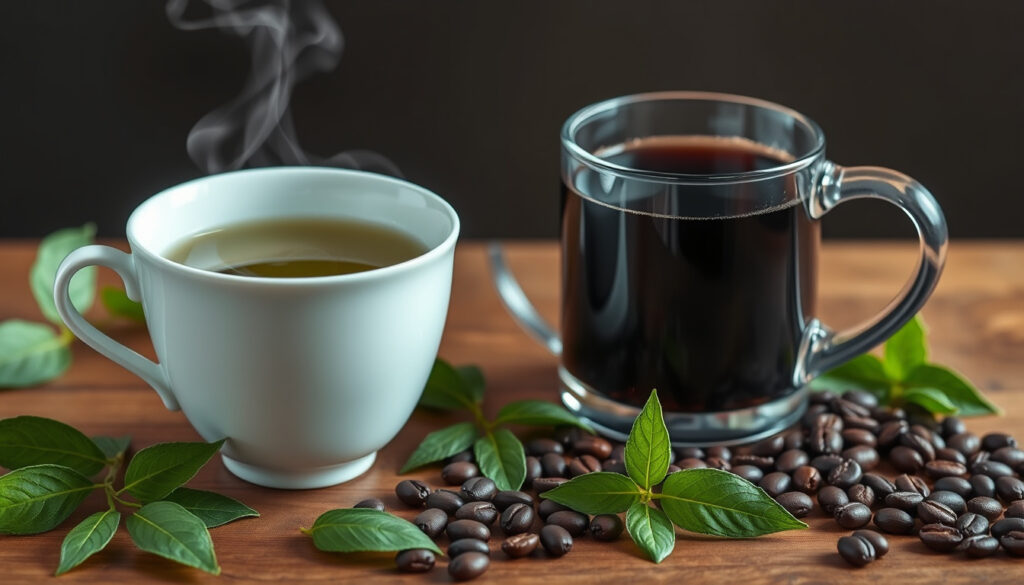
Does Green Tea Have Caffeine? Amounts vs Coffee & More
Green tea definitely contains caffeine — roughly 30 to 50 mg per 8-ounce cup, about half the amount in a standard coffee serving. What sets it apart is L-theanine, an amino acid that smooths caffeine’s edge into calm alertness without dulling focus. This guide breaks down exactly how much caffeine green tea delivers, how it compares to coffee and black tea, and what that means for your sleep, cholesterol, and daily routine.
Caffeine per 8-oz cup: 30-50 mg ·
Daily max caffeine: 400 mg ·
Vs coffee (avg): 95 mg ·
Vs black tea: Less than black tea ·
LDL cholesterol effect: Lowers fasting levels
Quick snapshot
- Green tea contains 30-50 mg caffeine per 8-oz cup (Sugimotos USA)
- Less caffeine than black tea (40-70 mg) and coffee (80-100 mg) (Tightvac)
- Contains L-theanine, a calming compound that softens caffeine jitters (Sugimotos USA)
- The exact optimal time of day varies by individual sensitivity and sleep patterns
- Precise caffeine intake amount needed for cholesterol benefits differs per person
- Caffeine levels in green tea leaves vary by harvest season, with earlier harvests containing more caffeine (Sugimotos USA)
- Choose brewing methods (lower temperature, shorter steep) to reduce caffeine extraction if desired
- Consider decaf green tea for evenings or caffeine-sensitive individuals
A direct comparison of caffeine levels across common caffeinated beverages shows green tea in the lower-to-moderate range, with brewing method and leaf preparation playing significant roles in final content.
| Caffeine content | Compared to coffee | Cholesterol impact | Safe daily limit |
|---|---|---|---|
| 30-50 mg per 8 oz | Coffee averages 95 mg | Reduces LDL per studies | Up to 400 mg caffeine |
Does Green Tea Have Caffeine?
Green tea definitely contains caffeine. It’s a natural stimulant that occurs in the Camellia sinensis plant, the same species that gives us black tea, white tea, and oolong — all caffeinated unless specifically processed otherwise (Cafely). What surprises many people is the amount: a typical 8-ounce cup lands somewhere between 30 and 50 mg, according to Sugimotos USA (nutrition and health authority). That’s significantly lower than most people assume when they hear “tea has caffeine.”
How much caffeine is typically in green tea?
The range of 30-50 mg per 8-ounce cup is the most commonly cited figure across health publications. The Mayo Clinic reports brewed green tea contains 29 mg of caffeine per 8 oz, which falls squarely in that range. EUFIC puts green tea at about 19 mg per 250 ml serving, which is roughly equivalent to the lower end of the typical estimate. Healthline reports that green teas contain up to 45 mg of caffeine per cup, which means the exact number depends heavily on brewing variables.
An 8-ounce cup of green tea delivers roughly one-third to one-half the caffeine of a standard drip coffee (95-165 mg per 8 oz according to Tightvac). If you’re sensitive to caffeine or tracking your daily intake, two cups of green tea still leave you well under the FDA’s 400 mg daily limit.
Factors affecting caffeine levels
Brewing variables play a bigger role than most people realize. Brewing temperature matters most: water at 212°F (100°C) — the optimal extraction temperature according to Healthline — pulls the most caffeine from the leaves. Brewing green tea at 70°C to 80°C, which is the recommended lower temperature from Primo Caffe, extracts significantly less caffeine. Steeping time also matters, with longer steep times pulling more caffeine. Cold-brewed tea has less caffeine than hot-brewed tea despite its longer steeping time (Sugimotos USA), which is counterintuitive but consistent across sources.
The harvest season also influences caffeine content. Earlier harvests of tea leaves have higher caffeine content than later harvests (Sugimotos USA), so a spring-picked sencha will likely be more stimulating than a summer-picked batch. Matcha stands apart as an outlier: because you consume the entire powdered leaf rather than steeping and discarding it, a single serving delivers around 70-100 mg of caffeine (Tightvac, Cafely) — comparable to a shot of espresso.
Can Green Tea Keep You Awake?
Yes — green tea can absolutely keep you awake. Caffeine is a stimulant that blocks adenosine receptors in the brain, which temporarily prevents the feeling of tiredness. The effect isn’t as strong as coffee, but 30-50 mg is enough to matter if you’re caffeine-sensitive or drink several cups. Most people metabolize caffeine within 4-6 hours, according to general pharmacokinetics, but individuals with slower caffeine metabolism can feel the effects for 8 hours or more.
Effects of green tea caffeine
Caffeine in green tea provides the same alertness benefits as coffee — improved focus, faster reaction time, and reduced perceived effort during physical tasks. The difference lies in how green tea’s L-theanine modifies the experience. L-theanine is an amino acid found only in tea that has a relaxing effect counteracting caffeine jitteriness without reducing alertness (Adagio). Sugimotos USA confirms that green tea has the added benefit of L-theanine, which has a calming effect that counteracts caffeine jitteriness. This is why many people describe green tea as producing “calm energy” rather than the wired feeling some get from coffee.
Comparison to other stimulants
Green tea sits in the lower-to-moderate range of common caffeinated beverages. Coffee leads in caffeine content, with black tea and matcha tea in the middle range (Tightvac). Yerba mate contains 70 to 85 mg of caffeine per 8 oz serving (YBTCO), putting it closer to coffee than green tea. Chai tea provides roughly 30 to 50 mg of caffeine per cup (Tightvac), which is on par with green tea. If you’re avoiding stimulants before bed but want something warm, the clear winner is herbal tea at 0 mg of caffeine (YBTCO).
Is Green Tea High in Caffeine?
By most measures, no. “High caffeine” is relative, but compared to standard serving sizes of common drinks, green tea ranks below coffee, espresso, black tea, and matcha. The only common caffeinated beverage with less caffeine per serving than green tea is white tea, which delivers an average of 16.79 mg per gram according to Healthline — though white tea serving sizes vary more. For context: the FDA recommends a daily limit of 400 mg of caffeine (Cafely, Tier 1 source), meaning you could comfortably drink 8-10 cups of green tea daily and stay within guidelines.
Green tea vs black tea
Black tea consistently contains more caffeine than green tea. A standard 8-ounce cup of black tea ranges from 40 to 70 mg of caffeine per 8-ounce cup (Tightvac), while the average black tea in English-style servings was 40 mg per cup (Adagio). The difference comes down to processing: higher levels of caffeine are found in black tea compared to other tea variations because the leaves are oxidized, releasing more caffeine during brewing (Cafely). Mayo Clinic reports brewed black tea contains 48 mg of caffeine per 8 oz versus 29 mg for green tea — a meaningful gap if you’re watching intake closely. The oxidation process isn’t just about caffeine — it’s also about flavor. If you’re switching to green tea for lower caffeine, expect a different taste profile: lighter, grassier, sometimes slightly bitter. Brand matters too. Loose-leaf teas and premium bag teas typically use whole leaves with more predictable caffeine extraction than inexpensive tea bags that may contain fannings (dust and small particles that extract faster and can yield higher caffeine).
Oxidation changes more than flavor — the chemical transformation also increases caffeine availability during brewing, making the switch to green tea a meaningful strategy for reducing stimulant intake without abandoning tea entirely.
Green tea vs coffee
The gap between green tea and coffee is substantial. An 8-ounce cup of coffee typically contains 80 to 100 mg of caffeine according to FDA estimates (Sugimotos USA), while drip brewed coffee contains 95 to 165 mg per 8-ounce cup (Tightvac). Cold brew coffee contains 100 to 200 mg of caffeine per 8-ounce cup (Tightvac), making it the most caffeinated common preparation. Even espresso, at 75 mg per shot (Cafely) or 80 mg per 60 ml (EUFIC), delivers more caffeine per fluid ounce than green tea.
The caffeine percentage in the raw ingredient tells an interesting story: tea leaves contain 4% caffeine, while coffee beans have 0.9% to 2.6% caffeine (Healthline). Despite the lower percentage in beans, coffee brewing uses hotter water, which extracts more caffeine from beans than tea preparation (Healthline). That’s why a coffee cup — brewed at near-boiling temperatures — ends up with more caffeine than a tea cup, even though the tea leaf itself is technically richer in caffeine by weight. The implication: you can reduce caffeine intake substantially by switching from coffee to green tea, even if you keep the same brewing temperature, because the leaf chemistry itself differs.
Is Green Tea Good for Lowering Cholesterol?
The research on green tea and cholesterol is consistently positive, though the mechanisms and exact amounts are still being studied. Multiple studies cited in health literature indicate that green tea consumption can lower fasting serum total and LDL cholesterol levels. This benefit appears to come from green tea’s catechins — antioxidants that are abundant in the leaves — rather than from caffeine specifically.
Studies on cholesterol effects
The cholesterol-lowering effect of green tea has been documented in multiple population studies and clinical trials. The proposed mechanism involves catechins (particularly epigallocatechin gallate, or EGCG) interfering with cholesterol absorption in the intestines. Studies have shown that regular green tea drinkers tend to have lower total cholesterol and LDL (“bad”) cholesterol levels compared to non-drinkers, after controlling for diet and lifestyle factors. The effect size varies, but a reduction in LDL cholesterol of 5-10% is commonly reported in meta-analyses of controlled trials. What this means: if you have elevated cholesterol, drinking 3-5 cups of green tea daily could meaningfully improve your lipid profile alongside dietary changes.
Green tea can inhibit non-heme iron absorption from plant foods (spinach, legumes, fortified cereals) by 25-90%, depending on the amount consumed and whether vitamin C is also present. If you’re already iron-deficient or following a plant-based diet, drink green tea between meals rather than with meals to minimize this interaction.
Recommended daily intake
Most studies showing cholesterol benefits used 3-5 cups of green tea per day, which translates to roughly 90-250 mg of caffeine daily from tea alone. For someone sensitive to caffeine, this amount might interfere with sleep or cause mild anxiety. The decaffeinated version preserves most of the catechins responsible for cholesterol benefits, making it a practical alternative for caffeine-sensitive individuals who want the heart-health upside without the stimulation. Decaffeinated green tea retains 5% to 15% of the original caffeine content (Sugimotos USA), so even “decaf” green tea isn’t caffeine-free.
What Teas Have No Caffeine?
True caffeine-free options exist, but they’re not technically “tea” in the botanical sense — they’re herbal infusions. All true teas (green, black, white, oolong, yellow) come from Camellia sinensis and contain some caffeine, even if the amount varies by preparation.
Caffeine-free options
Herbal teas are the primary caffeine-free category. These are beverages made from herbs, spices, flowers, and fruits rather than Camellia sinensis leaves. Popular caffeine-free herbal options include chamomile (calming, floral), peppermint (refreshing, minty), rooibos (naturally caffeine-free, South African red bush), and hibiscus (tart, floral). Herbal teas contain 0 mg of caffeine (YBTCO), making them safe for evening consumption and suitable for caffeine restriction diets.
Herbal and decaf varieties
Decaffeinated green tea exists and is widely available, but it’s important to understand what “decaf” actually means for tea. Decaffeinated green tea retains 5% to 15% of the original caffeine content (Sugimotos USA), which means a full decaf cup still contains roughly 2-8 mg of caffeine. This is a meaningful difference if you’re extremely sensitive or avoiding caffeine for medical reasons. For complete elimination, herbal teas are the only reliable option.
Several brands offer decaf green tea varieties, including Tetley and Lipton, which both sell decaf green tea products. These are processed to remove most caffeine while retaining flavor and some catechins. The decaffeination process (typically using carbon dioxide or water) doesn’t remove all compounds — some antioxidant activity remains — but the cholesterol-lowering benefit may be reduced compared to regular green tea. The pattern: if cholesterol benefits are your priority, stick with regular green tea; if caffeine sensitivity is your constraint, decaf is a workable compromise that preserves some catechins.
One more comparison table puts the caffeine numbers in perspective across the most common hot beverages.
| Beverage | Serving Size | Caffeine Content | Source |
|---|---|---|---|
| Green tea | 8 oz | 30-50 mg | Mayo Clinic, Sugimotos USA |
| Black tea | 8 oz | 40-70 mg | Tightvac, Adagio |
| Matcha | 1 cup/tsp | 70-100 mg | Tightvac, Cafely |
| Drip coffee | 8 oz | 95-165 mg | Tightvac, EUFIC |
| Espresso | 1 shot (60 ml) | 75-80 mg | Cafely, EUFIC |
| Herbal tea | 8 oz | 0 mg | YBTCO |
Upsides
- 30-50 mg caffeine per cup — significantly less than coffee
- L-theanine provides calm alertness without the jitters
- Lowers LDL cholesterol with regular consumption
- FDA daily limit of 400 mg allows 8-10 cups safely
- Antioxidant-rich from Camellia sinensis catechins
- Versatile brewing options to control caffeine extraction
Downsides
- Contains caffeine — can disrupt sleep in sensitive individuals
- Matcha is an exception: higher caffeine than most teas
- Decaf versions still retain 5-15% of original caffeine
- Can inhibit iron absorption from plant foods
- Brewing variables make precise intake tracking difficult
- Earlier harvest leaves contain more caffeine than later harvests
An 8-ounce cup of green tea contains 30 to 50 mg of caffeine — about a third to half what you’d get from an equivalent serving of drip coffee.
— Sugimotos USA (nutrition and wellness resource)
L-theanine is an amino acid found only in tea that has a relaxing effect counteracting caffeine jitteriness without reducing alertness.
— Adagio (specialty tea retailer and information resource)
The pattern across multiple sources is consistent: tea leaves are actually higher in caffeine by weight than coffee beans (4% versus 0.9-2.6%), but brewing variables — temperature, steeping time, leaf preparation — mean that a standard cup of tea ends up with less caffeine than a standard cup of coffee. Hotter water and longer steep times extract more caffeine, which is why cold-brewed tea has less caffeine despite longer contact time, and why adjusting your brewing technique gives you meaningful control over intake.
Related reading: How Many Grams of Protein a Day – Needs by Weight and Goals · What Is the Most Common Blood Type – O+ Global Stats and Facts
Green tea provides 30-50 mg of caffeine per cup—far less than coffee—thanks in part to L-theanine, with amounts per cup and comparisonsbreaking down precise figures against other brews.
Frequently asked questions
How much green tea should I drink a day to lower my cholesterol?
Most studies showing cholesterol benefits used 3-5 cups of green tea daily. This translates to roughly 90-250 mg of caffeine from tea alone. If you’re caffeine-sensitive, decaffeinated green tea retains most of the beneficial catechins without the full caffeine load. Consistent daily consumption appears more important than occasional high intake for cholesterol effects.
Is it OK to drink green tea everyday?
Yes, for most healthy adults. The FDA recommends a daily caffeine limit of 400 mg, and 1-3 cups of green tea (30-150 mg caffeine) fits comfortably within that range. Daily consumption is associated with potential cholesterol benefits, antioxidant intake, and the alertness benefits of caffeine. Watch for sleep disruption if you drink it later in the day.
Is there a downside to drinking green tea?
Potential downsides include caffeine-related sleep disruption, iron absorption interference (particularly with plant-based meals), and variable caffeine content depending on brewing method. Matcha delivers significantly more caffeine per serving than steeped green tea. Pregnant women are generally advised to limit caffeine to 200 mg daily, which means 4-5 cups of green tea at most.
Is it better to drink green tea in the morning or at night?
Morning or early afternoon is generally better for most people, since caffeine has a half-life of 4-6 hours. If you consume green tea in the afternoon, the caffeine may still be circulating when you try to sleep. The L-theanine in green tea helps counteract some sleep disruption, but it doesn’t eliminate the effect entirely. Green tea with meals can also inhibit iron absorption from food.
What is the best time to drink green tea?
Morning (after breakfast) through early afternoon (before 2-3 PM) is optimal for most people. This timing captures the alertness benefits while allowing caffeine levels to drop before bedtime. If you want the cholesterol benefits but are caffeine-sensitive, consider drinking it with breakfast rather than before bed, and switch to herbal tea in the evening.
Does Tetley green tea have caffeine?
Yes. All standard Tetley green teas contain caffeine from Camellia sinensis leaves. Tetley also sells a decaffeinated green tea variety, which has had most caffeine removed through processing. The decaf version still retains 5-15% of the original caffeine, so it’s not completely caffeine-free.
Does Lipton green tea have caffeine?
Yes, standard Lipton green tea contains caffeine — approximately 30-50 mg per 8-ounce cup, consistent with typical green tea caffeine levels. Lipton offers decaffeinated green tea options as well for those seeking lower caffeine intake. As with all decaf teas, the decaffeinated version retains some residual caffeine.
More related posts
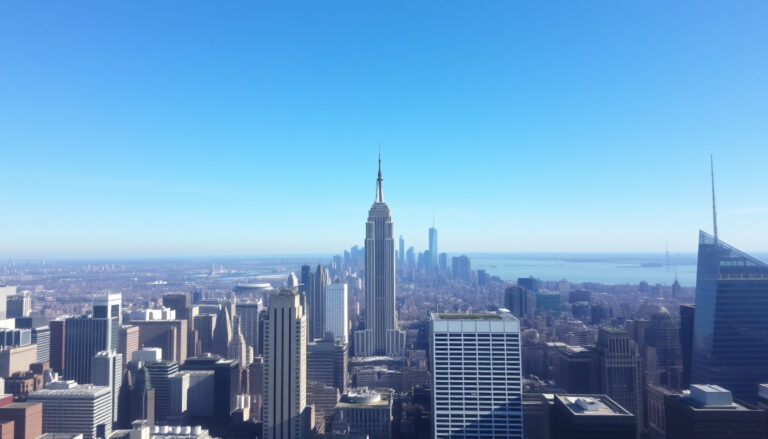 Top of the Rock: Tickets, Height, and vs Empire State
 Cast of Hairspray 2007 – Main Actors and Roles
 Best Smoothie Recipes for Weight Loss – Low-Cal High-Protein Options
 Be t Free Engli h to Spani h Tran lator: Top Tool Compared
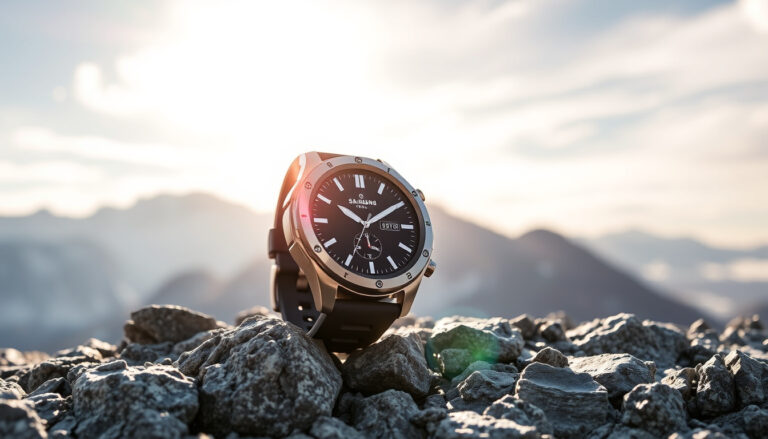 Samsung Galaxy Watch Ultra Review: Specs & Durability
 In-N-Out – Menu, Secret Items, Locations and History Guide
 Jewel Osco Near Me: Hours, Pharmacy, Delivery & Menu
