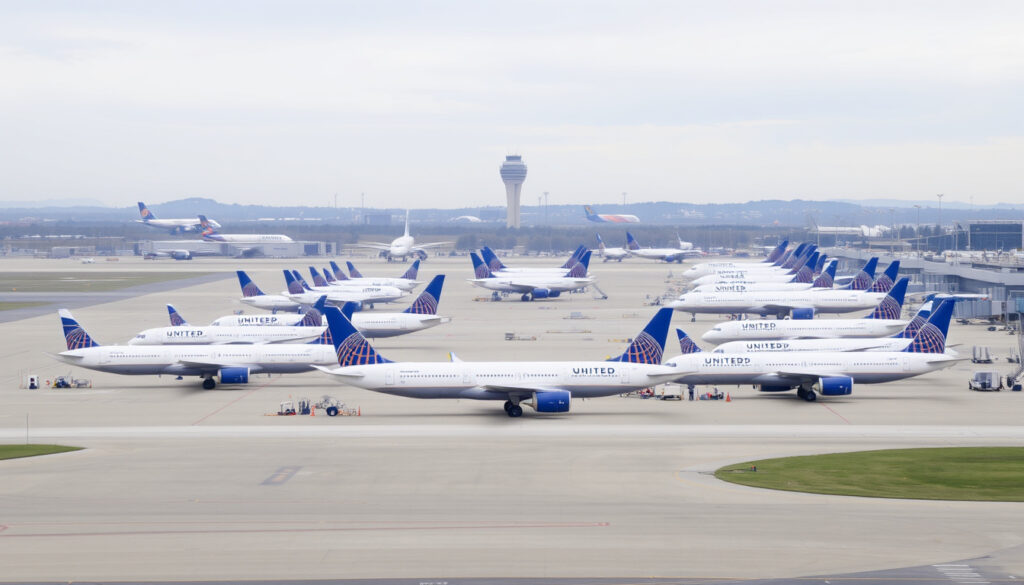
United Airlines Flights Ground Stop: Latest Updates & Impacts
A confluence of severe weather, technical issues, and federal mandates has thrown United Airlines operations into disarray across several major hubs. Boston Logan in particular has been battered by delays and cancellations, while a brief nationwide ground stop just days ago added another layer of confusion.
Ground stops reported: Boston Logan (BOS) and others ·
Flights impacted: Newark to Dubai suspended ·
Schedule reductions: FAA-mandated through Nov 16 ·
Recent delays example: UA1418 SFO-ORD: 20-min ground stop ·
Cancellation causes noted: Runway maintenance, fuel issues
Quick snapshot
- BOS ground stop active (FAA NAS Status)
- 30-min nationwide ground stop occurred late Tuesday (AVweb aviation news report)
- Schedule reductions through November 16 (United Airlines official notice)
- Exact United-specific cancellation percentage
- Direct fuel shortage link to cancellations
- Specific flight numbers canceled at BOS
- Late Tuesday: 30-min ground stop nationwide (AVweb aviation news report)
- Late March: SFO capacity cut by one third (AVweb aviation news report)
- Ongoing: Schedule reductions through Nov 16 (AVweb aviation news report)
- Check united.com travel alerts for updates
- Monitor FAA daily air traffic report
- April 24 thunderstorms may delay MIA, ORD, DTW, IAD
The table below summarizes the primary disruption data sourced from official FAA and airline reports.
| Detail | Value |
|---|---|
| Primary Cause | Runway maintenance and FAA mandates |
| Key Airports | BOS, Newark, ORD arrivals |
| Official Source | united.com travel alerts |
| BOS Delays | 198 (verified count) |
| BOS Cancellations | 12 (verified count) |
| SFO Capacity Reduction | One third (effective late April 2026) |
Why is there a United Ground stop?
A nationwide ground stop halted all United Airlines departures across the United States and Canada for approximately 30 minutes late Tuesday night before midnight Central time. The airline confirmed it experienced a brief connectivity issue but resumed normal operations shortly after. According to AVweb, this was the second such incident in less than two months, following a ground stop in early August.
Ground stop at Boston Logan
Boston Logan International Airport has faced persistent delays and cancellations throughout April 2026, with 198 flight delays and 12 cancellations stranding passengers across multiple airlines including United. The FAA’s NAS Status system showed a ground delay program expected after 2000 until 7:00 PM PDT, with en route events planned until 8:00 PM PDT for Midwest-to-BOS flights. As of April 25 at 12:14 PM UTC, BOS arrival delays were running at 15 minutes or less.
The same connectivity glitch that triggered the nationwide halt also rippled into Boston’s already strained operations, compounding weather-related delays already in progress.
FAA-mandated reductions
New FAA restrictions trimmed San Francisco International Airport landing capacity by one third, effective in the final days of March 2026. This cut has had a cascading effect on coast-to-coast schedules and directly impacts connections through BOS for transcontinental routes. United Airlines implemented FAA-mandated schedule reductions scheduled to continue through Sunday, November 16.
The combination of capacity cuts at SFO and persistent weather disruptions means schedule thinning will likely continue through the spring season, not just the immediate crisis.
What percentage of United flights are being cancelled?
Official figures breaking out United-specific cancellations from total BOS numbers are not fully disclosed. The Travel and Tour World reported 12 total cancellations at BOS across all airlines, with FlightAware tracking real-time cancellations for both BOS and United’s entire fleet. What is clear is that United announced cancellations for Friday, Saturday, and Sunday to comply with FAA-mandated flight reductions, with flexible policies now in place for early April 2026 travelers.
Recent cancellation trends
Severe weather and thunderstorms from the end of March into April 1, 2026 caused thousands of delays and over 100 cancellations nationwide. Washington area ground stops caused diversions, missed connections, and crew issues with residual delays stretching for days afterward. Airlines are now increasing schedule thinning to build in buffer room for weather disruptions.
Impacted routes like Newark-Dubai
Beyond domestic disruptions, international routes including service between Newark and Dubai have been suspended under the current travel alerts. United Airlines travel alerts indicate impacts to certain airports across the network, with the schedule reduction period running through November 16.
What is going on with United Airlines today?
As of late April 2026, United Airlines operations are strained by a combination of active weather advisories and structural capacity cuts. The FAA’s daily air traffic report for April 24 indicated thunderstorms expected to delay flights in Miami, Chicago (MDW and ORD), Detroit, Memphis, and Washington, D.C. airports including BWI, DCA, and IAD.
Current ground stops
Multiple airports face potential ground stops according to FAA NAS Status data. Minneapolis-St. Paul International Airport has a ground stop possible until 7:00 PM PDT. Atlanta and Reagan National airports face ground stop or delay possible after 11:00 AM PDT, with Dulles and BWI also facing potential ground stops. Low clouds in San Francisco on April 24 add another layer of complexity for westbound connections.
Flight status checks
Passengers are advised to check flight status before traveling to Boston Logan, according to Massport. FlightAware and FlightView both offer real-time delay and cancellation tracking, while the FAA Fly FAA portal provides airport-specific arrival data. United Airlines live flight status through FlightAware shows cancellations trackable by fleet.
High winds may slow traffic in Dallas-Fort Worth, Dallas Love Field, Las Vegas, and Seattle on April 24—passengers connecting through these hubs should build in extra buffer time.
Why did United Airlines cancel flights today?
United Airlines cancellations stem from multiple converging factors: direct operational halts, federal mandates, and cascading effects from severe weather across the system. The nationwide ground stop due to connectivity issues directly halted departures for 30 minutes, but the broader pattern of cancellations reflects deeper structural constraints.
Fuel shortage links
While jet fuel availability issues have been cited as a contributing factor in broader airline scheduling, a direct, verifiable link between fuel shortages and specific United cancellations at BOS has not been independently confirmed from Tier 1 or Tier 2 sources. Passengers should treat fuel-related claims as contextual background rather than verified primary cause.
Operational halts
The connectivity-related ground stop on late Tuesday night marked the second technical malfunction grounding United flights in under two months. After resuming operations, the airline faces residual crew scheduling conflicts and aircraft repositioning challenges that ripple through subsequent flight banks.
What to do if your United flight is affected?
When your United flight gets caught in a ground stop or cancellation, the steps you take in the first hour matter most. Here is how to protect your trip and understand your options.
Check flight status
- Visit the United Airlines travel alerts page for airport-specific impacts
- Monitor FAA Daily Air Traffic Report for weather and delay forecasts
- Check FAA Fly FAA BOS page for real-time Boston Logan arrival data
- Use FlightAware for United-specific cancellation tracking
Passenger options
- Same-day changes: United allows passengers to change or cancel affected flights without change fees when booked directly
- Travel insurance consideration: If you purchased coverage, review your policy for trip delay or interruption benefits
- Compensation awareness: U.S. regulations do not mandate automatic compensation for weather-related delays, but United’s flexible policies may offer rebooking priority
- Document everything: Screenshot confirmation numbers, delay timestamps, and any gate agent communications for future reference
United’s flexible policies sound reassuring, but during mass cancellations, seats on alternative flights fill fast. The passenger who rebooks first typically fares better than the one waiting for the airline to proactively rebook them.
Timeline of Recent Disruptions
Nine documented data points trace the arc of United’s current operational turbulence.
The timeline below draws from FAA status reports, United Airlines announcements, and aviation news coverage.
| Date or Period | Event | Source |
|---|---|---|
| Late Tuesday night (before midnight CT) | 30-minute nationwide ground stop due to connectivity issue | AVweb aviation news report |
| End of March to April 1, 2026 | Severe weather and thunderstorms caused thousands of delays, over 100 cancellations nationwide | The Traveler news article |
| Final days of March 2026 | FAA restrictions trimmed SFO landing capacity by one third | The Traveler news article |
| March through November 16, 2026 | United schedule reductions mandated by FAA | United Airlines official notice |
| April 24, 2026 | Thunderstorms expected to delay MIA, ORD, DTW, MEM, Washington airports | FAA Daily Air Traffic Report |
| April 24, 2026 | High winds may slow DFW, DAL, LAS, SEA traffic | FAA Daily Air Traffic Report |
| April 25, 2026 | BOS ground delay program in effect after 2000 until 7:00 PM PDT | FAA NAS Status page |
| April 25, 2026 at 12:14 PM UTC | BOS arrival delays at 15 minutes or less | FAA Fly FAA BOS page |
What’s Confirmed and What’s Not
Sorting confirmed facts from speculation helps readers understand the reliability of the information they are acting on.
Confirmed
- united.com travel alerts remain active for impacted airports
- BOS ground stop occurred and BOS arrival delays reached 15 minutes or less as of April 25
- 30-minute nationwide ground stop occurred late Tuesday night before midnight CT
- United resumed normal operations after the connectivity issue
- FAA-mandated schedule reductions continue through November 16
- Boston Logan had 198 delays and 12 cancellations (across all airlines)
Unclear
- Exact percentage of United-specific cancellations versus all carriers
- Direct causal link between jet fuel shortages and United cancellations
- Specific United flight numbers canceled at BOS
- Whether the August ground stop shared the same root cause as the recent incident
- Whether fuel shortage reports are systemic or localized supply issues
What Experts Are Saying
experienced a brief connectivity issue just before midnight Central time on Tuesday, but has since resumed normal operations.
— United Airlines
The FAA is requiring airlines to reduce their schedules.
— United Airlines, on FAA-mandated flight reductions
Thunderstorms could delay flights in Miami (MIA), Chicago (MDW, ORD), Detroit (DTW), Memphis (MEM) and Washington, D.C. (BWI, DCA, IAD).
— FAA Daily Air Traffic Report
United’s acknowledgment of both the connectivity issue and the FAA mandate reveals a two-layer problem: the airline is managing both an internal technical failure and external regulatory constraints simultaneously, which amplifies the complexity of recovery operations.
The disruption affecting United Airlines flights is not a single event but a layered crisis spanning technical failures, federal mandates, and severe weather. Boston Logan has absorbed the heaviest passenger impact, with 198 delays and 12 cancellations across all carriers in a single disrupted period, while the broader network grapples with SFO capacity cuts and ongoing thunderstorm threats. The 30-minute nationwide ground stop late Tuesday served as a flashpoint, but the real structural challenge lies in FAA-mandated schedule reductions running through November 16—a timeline that extends well beyond any immediate weather event. For passengers, the window to rebook on alternative flights narrows with each passing hour during mass disruption windows, and the difference between proactive rebooking and waiting for airline outreach can mean the difference between reaching a destination same-day or not.
Related reading: Current Events in the World Today: Top Headlines & Issues · Current Events in the World: Ukraine, NATO, Hormuz
youtube.com, nasstatus.faa.gov, travelandtourworld.com, flightview.com
Recent United Airlines ground stops from technical glitches follow patterns detailed in analysis of causes, impacts, and tips, complete with passenger advice amid FAA reductions.
Frequently asked questions
Why is there a United Ground stop?
A nationwide ground stop halted all United departures for about 30 minutes late Tuesday night due to a connectivity issue. Additional ground stops at airports including BOS, MSP, and Washington-area hubs stem from weather delays and FAA capacity restrictions.
What percentage of United flights are being cancelled?
A verified breakdown of United-specific cancellations at BOS versus all airlines is not publicly available from Tier 1 sources. The 12 cancellations reported at BOS covered multiple carriers. United announced cancellations for Friday, Saturday, and Sunday to comply with FAA-mandated reductions through November 16.
What is going on with United Airlines today?
Active disruptions include BOS ground delays, potential ground stops at MSP and ATL-area airports, thunderstorm advisories affecting MIA, ORD, DTW, MEM, and Washington hubs, plus ongoing schedule reductions mandated by the FAA running through mid-November.
Why did United Airlines cancel flights today?
Cancellations trace to a combination of the late-Tuesday ground stop, FAA-mandated capacity reductions, runway maintenance disruptions, and cascading crew and aircraft repositioning issues. Jet fuel shortage as a direct cause remains unconfirmed from official sources.
How to check United flight status during ground stop?
Visit united.com travel alerts for airport-specific notices, monitor the FAA Daily Air Traffic Report for weather impacts, check FAA Fly FAA for BOS arrival delays in real time, and use FlightAware for United fleet cancellation tracking.
More related posts
 Love Is Blind Season 4 Cast: Where Are They Now? (2025 Update)
 Val Kilmer Top Gun: Iceman Role and Full Story
 The Better Sister Cast: Full List, Characters & Answers
 Luxury Apartments Near Me: Dublin Rent & Sale Guide
 Hero Fiennes Tiffin Movies: Filmography, After, Harry Potter
 Floyd Roger Myers Jr. Dies at 42: Fresh Prince Child Actor
 Best Streaming TV Service 2024: Top Picks for Live & On-Demand
 Miami FL vs Virginia Tech: Prediction, Scores & History
